Introduction to RFID Technology
A clear starting point for understanding how RFID identifies, tracks, and connects physical items.
Read article
'%20d='m0%200h2048v519h-2048z'%20fill='%23FDFDFD'/%3e%3cpath%20transform='translate(771,162)'%20d='m0%200h72l14%203%2010%206%208%209%205%2011%203%2015%201%2011v62l-2%2017-3%2012-6%2011-9%208-9%204-7%202-10%201h-62l-14-2-12-5-7-6-6-10-4-11-2-9-1-10v-64l2-18%204-12%206-11%209-8%209-4z'%20fill='%232F2F30'/%3e%3cpath%20transform='translate(399,204)'%20d='m0%200%202%201v159l-8%205-28%2016-27%2016-49%2028-25%2014h-1v-161l17-10%2015-9%2027-15%2024-14%2018-10%2024-14z'%20fill='%23FDFDFD'/%3e%3cpath%20transform='translate(87,205)'%20d='m0%200%205%201%2024%2014%2014%208%204%203v39l1%205%2029%2015h4l1-2%201-35%206%202%2036%2020%2012%207v161l-11-6-25-14-22-13-21-12-26-15-28-16-4-3z'%20fill='%23FDFDFD'/%3e%3cpath%20transform='translate(327,128)'%20d='m0%200%206%202%2017%209%2019%2011%2027%2015%205%204%201%204-4%204-29%2016-26%2014-22%2012-26%2014-23%2013-19%2010-13%207-5-1-63-35-1-6%208-6%2028-17%2021-12%2023-13%2030-18%2021-12%2024-14z'%20fill='%23FACE60'/%3e%3cpath%20transform='translate(1274,162)'%20d='m0%200h106l12%203%209%206%206%209%204%2011%202%2015v12l-2%2015-4%2012-7%209-7%205-9%203h-3l16%2028%2014%2024%206%2010%201%207-4%203h-26l-5-4-10-18-13-23-10-18-4-7h-44l-1%2067-4%203h-21l-5-3v-97l3-2%2098-1%206-2%203-10v-14l-3-8-3-3-99-1-4-2-1-2v-25z'%20fill='%232F2F30'/%3e%3cpath%20transform='translate(556,162)'%20d='m0%200h24l3%203%201%2066h79v-67l2-2h25l3%203v165l-4%204h-21l-5-3-1-68h-78l-1%2068-5%203h-20l-5-3v-167z'%20fill='%232E2E2F'/%3e%3cpath%20transform='translate(1533,160)'%20d='m0%200h14l10%205%206%207%2011%2026%208%2020%2015%2037%2020%2050%209%2022v5l-3%202h-26l-4-4-8-19-11-27-10-25-11-28-11-27-1-3-2-1-3%2010-22%2056-1%202h28l4%204%207%2017v7l-2%203-3%201h-47l-3%209-9%2022-4%203h-26l-3-2%201-9%2011-27%2012-30%2011-27%2014-35%2012-29%206-9%208-5z'%20fill='%232F2F30'/%3e%3cpath%20transform='translate(241,78)'%20d='m0%200%206%201%2019%2011%2014%208%208%205%2015%208%204%204-2%204-14%209-35%2021-27%2015-24%2014-18%2010-22%2013-7%204-6-1-23-11-19-10-17-9-3-3%201-6%209-6%2027-15%2049-28%2023-13%2021-12%2011-7z'%20fill='%23FACE60'/%3e%3cpath%20transform='translate(1836,162)'%20d='m0%200h25l2%202%201%2027v40l29-1%205-4%2016-28%2014-25%206-10%201-1h28l2%202-1%207-13%2024-10%2017-9%2016-9%2015-1%204%206%207%2011%2018%2016%2028%2014%2024%201%207-4%203h-25l-4-2-9-15-13-23-12-21-6-8-8-2-25-1-1%2069-4%203h-21l-4-2-1-2v-166z'%20fill='%232F2F30'/%3e%3cpath%20transform='translate(1704,162)'%20d='m0%200h88l3%201%201%206v18l-3%205-3%201-84%201-6%203-4%207-1%204v77l2%209%205%206%207%202%2084%201%202%202%201%205v19l-2%204-3%201h-82l-14-2-12-5-9-8-7-14-3-13-1-10v-69l3-19%205-12%206-8%207-6%209-4z'%20fill='%232E2E2F'/%3e%3cpath%20transform='translate(773,193)'%20d='m0%200h68l7%204%204%208%201%206v73l-2%209-4%206-5%203-4%201h-62l-8-3-4-5-3-11v-73l3-10%205-6z'%20fill='%23FDFDFD'/%3e%3cpath%20transform='translate(1087,162)'%20d='m0%200h143l3%201v28l-4%202h-55v137l-2%203-4%201h-16l-7-2-1-1-1-8v-129l-54-1-4-2-1-2v-26z'%20fill='%232E2E2F'/%3e%3cpath%20transform='translate(923,162)'%20d='m0%200h25l3%202%201%20112%202%2015%205%208%203%202%205%201%2077%201%202%202%201%2011v11l-2%206-3%201h-75l-14-2-10-4-8-6-6-8-5-12-3-17v-121z'%20fill='%232F2F30'/%3e%3cpath%20transform='translate(81,189)'%20d='m0%200%2016%208%2024%2014%2017%2010%206%204%201%2044%2012%205%203%202v-34l4-4%206%202%2046%2026%2018%2010%201%202v174l-1%203-3%201-21-9-8-5-15-8-11-7-10-7-16-8-14-8-25-15-21-11-9-7-3-6-1-111v-53l2-5zm6%2016v159l9%206%2027%2015%2024%2014%2028%2016%2048%2028h1v-161l-36-20-16-9h-2l-1%2035-1%202-6-1-27-14-1-5v-39l-11-7-23-13-10-6z'%20fill='%23080708'/%3e%3cpath%20transform='translate(403,190)'%20d='m0%200h5l3%204v174l-8%205-20%2012-20%2013-48%2028-11%205-10%205-3%204-6%202-20%2012-6%203-6-2-1-2v-176l9-6%2023-13%2017-10%2021-12%2024-14%2023-13%2028-16zm-4%2014-27%2015-22%2013-25%2014-23%2013-14%208-17%2010-8%205v161l14-7%2049-28%2026-15%2022-13%2023-13%204-3v-159z'%20fill='%23080809'/%3e%3cpath%20transform='translate(327,128)'%20d='m0%200%206%202%2017%209%2019%2011%2027%2015%205%204%201%204-4%204-29%2016-26%2014-22%2012-26%2014-23%2013-19%2010-13%207-5-1-63-35-1-6%208-6%2028-17%2021-12%2023-13%2030-18%2021-12%2024-14zm0%2012-13%208-29%2017-19%2011-26%2015-22%2013-20%2012-11%206%203%203%2021%2011%2024%2014%206%201%2029-16%2026-14%2022-12%2018-10%2044-24%205-4-23-13-18-10-14-8z'%20fill='%23070607'/%3e%3cpath%20transform='translate(241,78)'%20d='m0%200%206%201%2019%2011%2014%208%208%205%2015%208%204%204-2%204-14%209-35%2021-27%2015-24%2014-18%2010-22%2013-7%204-6-1-23-11-19-10-17-9-3-3%201-6%209-6%2027-15%2049-28%2023-13%2021-12%2011-7zm0%2013-20%2011-23%2013-39%2022-52%2030-2%202%2050%2025%2011-6%2028-16%2022-12%2024-14%2026-15%2024-15-3-3-23-12-16-9z'%20fill='%23070607'/%3e%3c/svg%3e)
Holtrack Insights
Practical perspectives on RFID, inventory visibility, and the systems behind a more connected warehouse.
Explore the latestFeatured story
Useful knowledge for teams evaluating RFID, not jargon for its own sake.
A clear starting point for understanding how RFID identifies, tracks, and connects physical items.
Read articleKnowledge library
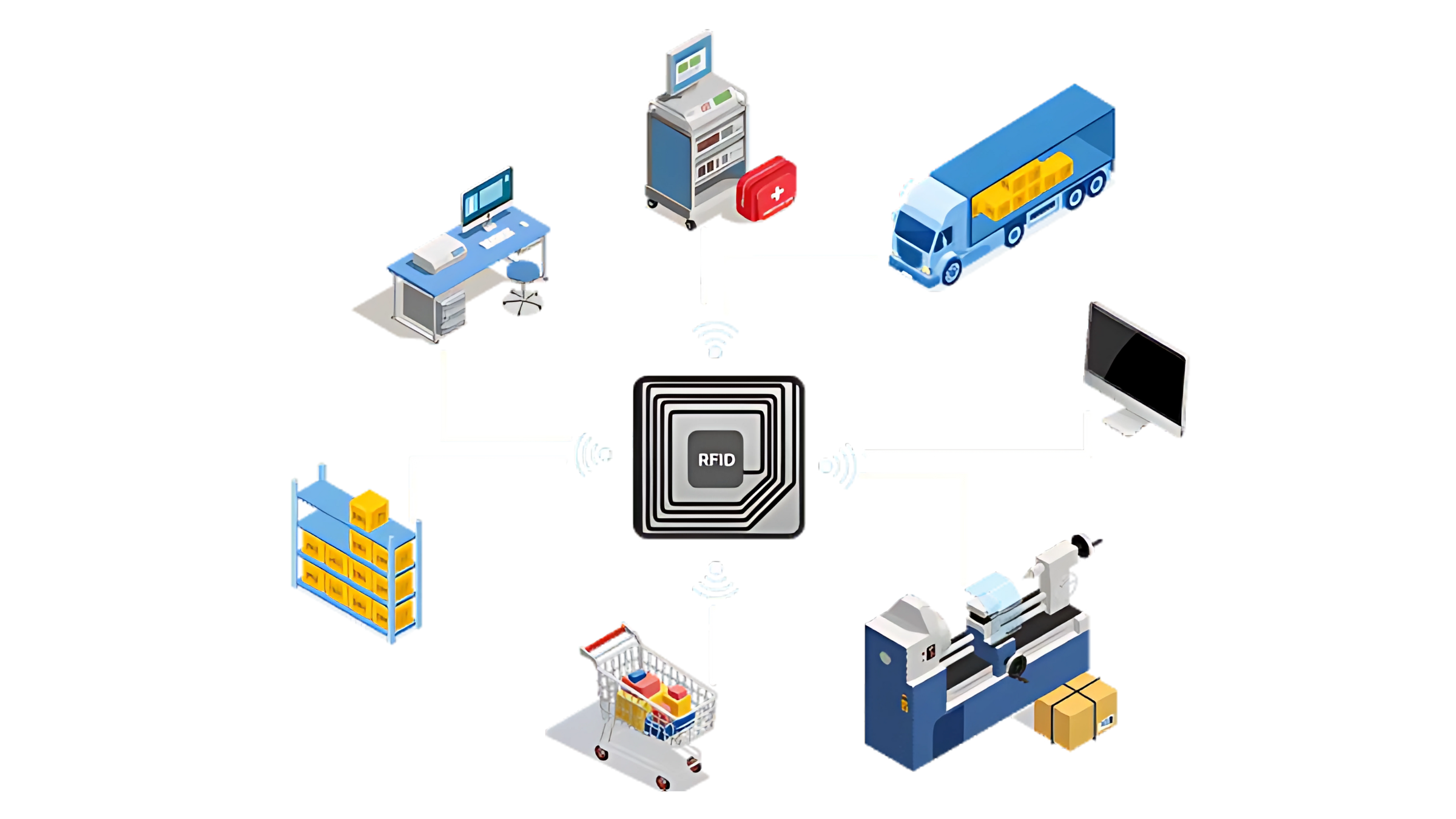
See how retail, logistics, healthcare, and manufacturing turn RFID data into better decisions.
Read article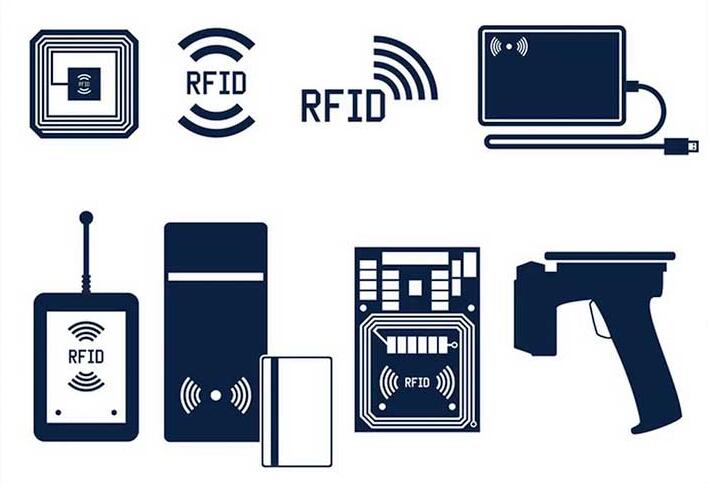
A practical guide to tags, readers, antennas, and how each component works together.
Read article-min-min.png)
Follow RFID through a normal workday, from receiving and storage to picking and dispatch.
Read articleNo articles in this topic yet.
Quick answers to the questions teams ask when they begin exploring RFID.
RFID stands for Radio Frequency Identification. It uses electromagnetic fields to automatically identify and track tags attached to objects. This technology is widely used in various industries for inventory management and asset tracking.
RFID systems consist of a reader, tags, and an antenna. The reader emits radio waves that activate the tags, which then transmit their information back to the reader. This process allows for quick and accurate data collection.
RFID tags are small devices that contain a chip and an antenna. They store information about the item they are attached to, enabling easy tracking and identification. Tags can be passive, active, or semi-passive, depending on their power source.
An RFID reader is a device that uses radio waves to communicate with RFID tags. It captures the data stored on the tags and sends it to a computer system for processing. Readers can be fixed or handheld, depending on the application.
RFID technology is utilized in various sectors, including retail, logistics, healthcare, and manufacturing. It enhances efficiency in inventory management, asset tracking, and supply chain operations. Its applications continue to grow as technology advances.